Search for "Lincoln University" from India and you will find several universities with the same name, most of them in the United States. This guide is about the one that does something none of them do: Lincoln University New Zealand, the country's specialist land-based university. In a nation whose economy runs on agriculture, food and the environment, that specialism is a real career advantage.
Lincoln sits on a 120-hectare campus in the town of Lincoln, 20 km from Christchurch, on New Zealand's South Island, with its own demonstration and research farms. It has a 148-year history, and its reputation is built on what it teaches best. Lincoln is 82nd in the world for Agriculture and Forestry in the QS subject rankings, within the top 450 of the QS World University Rankings 2027, and second in the world for Life on Land in the THE Impact Rankings 2026. For Indian students looking to study in New Zealand, Lincoln is the specialist choice for agribusiness, food science, environmental management and landscape architecture.
This guide covers what it takes to study at Lincoln University, New Zealand as an international student: programmes, 2027 fees, entry requirements for Indian applicants, the automatic master's scholarships, and the visa and work rules that follow.
Lincoln University, New Zealand at a Glance
Lincoln's other QS subject rankings include the top 175 for Hospitality and Leisure Management and the top 400 for Economics and Econometrics. Its first-year retention rate is 87.6%, a sign that students settle in and keep going.
What Can You Study at Lincoln?
Lincoln is organised into three faculties: Agribusiness and Commerce; Agriculture and Life Sciences; and Environment, Society and Design. Its programmes cover agriculture, horticulture and viticulture, business, environment, food, wine and beer, landscape architecture, property and valuation, science, sport and recreation, tourism and technology.
1. Agriculture and Agribusiness
This is Lincoln's core strength. The Bachelor of Agricultural Science (four years) and the Bachelor of Agribusiness and Food Marketing (three years) lead naturally to the Master of Management in Agribusiness. That 180-credit master's can be completed in 12 months if you start in Semester 1, and it is built for senior roles in agribusinesses anywhere in the world. There is also a Master of Precision Agriculture for students interested in technology on the farm.
2. Food Science and Innovation
The Master of Science in Food Innovation is a one-year, 180-credit programme. For Indian graduates in food technology, microbiology or biotechnology, it is a focused route into New Zealand's food and beverage export sector.
3. Business, Finance and Computing
Lincoln's commerce side is often overlooked, which is good news for applicants. The Master of Business (Finance), the Master of Business in Global Management and Marketing, the Master of Fintech and Investment Management and the Master of Professional Accounting (CPA) all carry the highest automatic scholarship tier. The newer Master of Applied Computing and Master of Artificial Intelligence for Land Use bring technology to the land-based sector.
4. Environment, Planning and Landscape Architecture
Lincoln is the natural home for environmental policy, water science, planning and landscape architecture in New Zealand. The two-year Master of Landscape Architecture (240 credits) and the Master of Planning suit Indian architecture and planning graduates, and the Master of Environmental Policy and Management suits science graduates heading into sustainability careers.
Taught master's programmes Indian students often shortlist: Master of Management in Agribusiness, Master of Business (Finance), Master of Professional Accounting (CPA), Master of Applied Computing, Master of Science in Food Innovation, Master of Precision Agriculture, Master of Environmental Policy and Management, and Master of Landscape Architecture.
Entry Requirements for Indian Students
Undergraduate
- CBSE (AISSC): 12 years of schooling with a minimum average of 75% and 60% in English.
- ISC (CISCE): 12 years of schooling with a minimum average of 75% and 60% in English.
- One year at a recognised university: with a B average or better, or First Class or Division.
- State boards, including Karnataka: not listed separately on Lincoln's table, so confirm your board with Lincoln's admissions team before you apply.
- Pathways: Lincoln's First-Year Pathway Diploma lists an Indian Year 12 minimum average of 60%. The Pathway Certificate (Foundation) accepts a 50% average in four courses. There is a NZ$2,500 scholarship for both.
Postgraduate
- Postgraduate certificates and diplomas: a relevant degree with at least a B- average in 300-level (final-year) courses.
- Taught master's: a relevant degree with a B average or better in the final year.
- Research master's: a relevant degree with at least a B- average in final-year courses. The 120-credit, thesis-only route needs an honours degree at Second Class Honours, Division One or higher.
- Indian degrees: Lincoln does not publish a percentage conversion or a rule on three-year Indian degrees. Your final-year marks are what Lincoln looks at, so have them reviewed against your chosen programme.
English Language Requirements
| Test | Bachelor's degrees | Master's, PG diplomas, PhD |
|---|---|---|
| IELTS Academic | 6.0, no band below 5.5 | 6.5, no band below 6.0 |
| PTE Academic | 50, no skill below 42 | 58, no skill below 50 |
| TOEFL iBT | 60 (Writing 18) | 80 (Writing 21, Speaking 18) |
| Duolingo | 105, no subscore below 95 | 120, no subscore below 105 |
Your score must be no more than two years old on the day you start. If you are not quite there, Lincoln's English for Academic Purposes programme can bridge the gap. Students who complete at least 12 weeks of it qualify for the English for Further Study Award, a tuition rebate on their next programme.
Tuition Fees for 2027
| Programme | Duration | International fee estimate (2027) |
|---|---|---|
| Bachelor of Agricultural Science | 4 years | NZ$39,000 per 120 credits |
| Bachelor of Agribusiness and Food Marketing | 3 years | NZ$37,000 per 120 credits |
| Master of Management in Agribusiness | 1.5 years (12 months from Semester 1) | NZ$59,000 for 180 credits |
| Master of Business (Finance) | 1.5 years | NZ$59,000 for 180 credits |
| Master of Applied Computing | 1.5 years | NZ$66,000 for 180 credits |
| Master of Science in Food Innovation | 1 year | NZ$66,000 for 180 credits |
| Master of Landscape Architecture | 2 years | NZ$74,000 for 240 credits |
- Your fee is locked in. Lincoln charges a programme-based fee: the fee set for your first year is kept for the minimum time needed to complete your programme. That makes budgeting simpler than at universities that raise fees every year.
- PhD students usually pay domestic fees. Lincoln states that international PhD students are usually eligible for domestic fees while living in New Zealand, which makes a Lincoln doctorate much more affordable than most families expect.
- Course load: a student visa requires most international students to take at least three courses a semester, and finishing in the minimum time may need four.
- Halls in 2027: Centennial Hall and Stevens Hall, fully catered with three meals a day, cost NZ$20,650 if paid in full, with instalment plans available.
- Visa funds: Immigration New Zealand asks for evidence of NZ$20,000 for each year of study for living costs, on top of tuition.
Scholarships for Indian Students
- 1. Taught Master's Merit Scholarship — NZ$7,000 to NZ$15,000, assessed automatically
- Lincoln assesses every qualifying international applicant to a full taught master's programme and offers the award automatically, with no separate application. NZ$15,000 needs an A average in the final year of your bachelor's and applies to the Master of Business (Global Management and Marketing), Master of Business (Finance), Master of Fintech and Investment Management and Master of Professional Accounting (CPA). NZ$10,000 needs a B+ average and covers those programmes plus the Master of Management in Agribusiness, Parks Management, Sport and Recreation Management and Tourism Management. NZ$7,000 needs a B+ average and covers programmes including Applied Computing, Precision Agriculture, Food Innovation, Environmental Policy and Management, Planning and Landscape Architecture.
- 2. Lincoln University International School Leavers Scholarship — NZ$10,000
- Credited to your tuition account once you confirm enrolment in a Lincoln bachelor's programme.
- 3. Undergraduate Vice-Chancellor's Scholarship — NZ$5,000
- For new students in bachelor's degree programmes who meet the academic and English requirements.
- 4. International Undergraduate Scholarship — NZ$3,000
- For new international undergraduates who meet the academic and English requirements.
- 5. International Pathway Merit Scholarship — NZ$2,500
- For new students entering the Pathway Certificate (Foundation) or First-Year Pathway Diploma.
The insider advantage: your final-year marks are your scholarship application. Because the master's merit award is automatic and based on your final-year average, the biggest lever you control is presenting your transcript clearly, and choosing a programme in the tier that matches your grades. On the Master of Business (Finance), for example, an A average turns a NZ$59,000 fee into NZ$44,000. If you want help working out which tier your marks fall into, talk to us before you apply.
Intakes and Key Dates
| Intake | Start date | Best for |
|---|---|---|
| Semester 1 | 22 February 2027 | Most programmes; the preferred start for many master's |
| Semester 2 | 19 July 2027 | Most taught master's programmes |
| November Summer School | 9 November 2026 | Selected programmes; check your programme page |
Some programmes work better from a particular intake. The Master of Management in Agribusiness, for example, lists Semester 1 as the preferred start and can be finished in 12 months from February. Immigration New Zealand says 80% of student visa applications are decided within eight weeks, so aim to apply several months before your start date.
Life at Lincoln
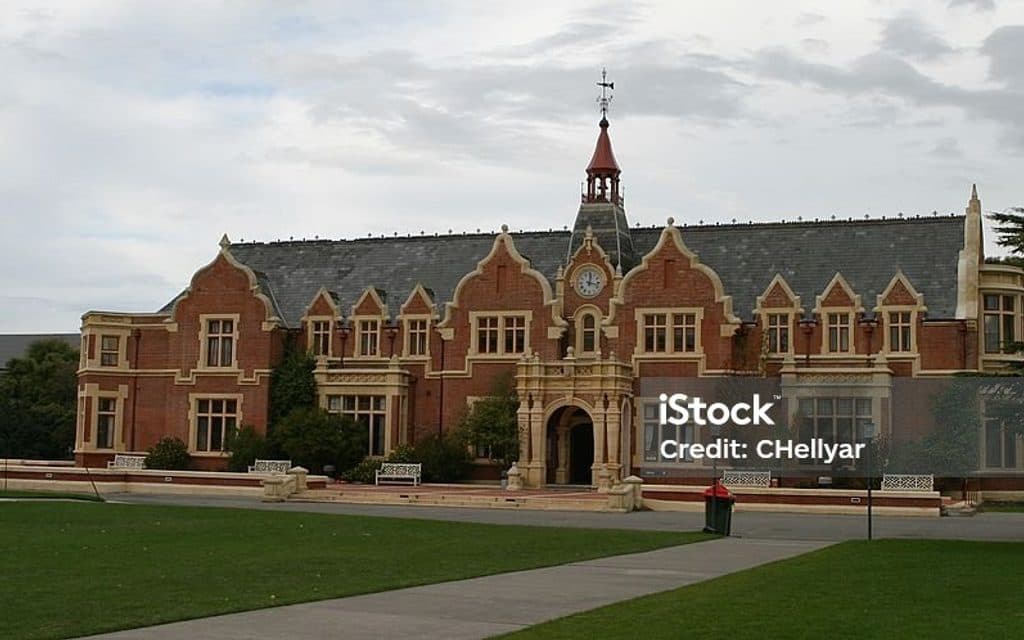
Lincoln is a campus-town university: open green space, working farms, a gym at the heart of campus life, and Ivey Hall as its historic centrepiece. It is small enough to feel personal, with Christchurch, the South Island's largest city, 20 km away for city life and the international airport. Students can live on campus in catered halls such as Centennial Hall and Stevens Hall, which is the easiest way to settle in. Beyond campus, the South Island's mountains and lakes are close enough for weekend trips.
Applying from Bangalore and Karnataka
- Karnataka PUC students: Lincoln's international table lists CBSE and ISC at 75% with 60% in English, but it does not name the Karnataka board. Contact Lincoln with your II PUC (Karnataka School Examination and Assessment Board) marks before you apply, and consider the First-Year Pathway Diploma as a back-up route.
- Graduates of Karnataka universities and colleges: Lincoln does not publish an Indian institution list. Graduates of VTU, Bangalore University, the University of Agricultural Sciences and other recognised universities are assessed on their final-year grade average against the programme's requirement.
- A natural fit for agri and food graduates: if your degree is in agriculture, horticulture or food technology, Lincoln's agribusiness, food innovation and precision agriculture master's degrees build directly on that background.
- Visa paperwork: the student visa application is made online with Immigration New Zealand. If INZ asks for your passport, VFS Global handles it. In September 2026, VFS lists its Bengaluru New Zealand Visa Application Centre (J.P. Nagar) as temporarily closed, with Chandigarh, Mumbai and New Delhi open and courier submission available. Check the current status before you plan.
- Medical checks: stays of more than six months need a chest X-ray certificate from an INZ-approved panel physician, because India is not a low-tuberculosis country.
- Getting there: we could not confirm any nonstop flights from Kempegowda International Airport to New Zealand. Plan for at least one international connection, and often a further connection to Christchurch.
- Talk to us in person: Falcon Nova's office is on the 7th floor of Kirloskar Business Park in Hebbal, North Bangalore. Book free counselling there or online.
Working in New Zealand: During and After Lincoln
- During study: the Fee Paying Student Visa (from NZD $850) lets eligible students work up to 25 hours a week during study and full-time in scheduled holidays, depending on the conditions on your visa. You must also hold full medical and travel insurance.
- After a master's: a three-year Post-Study Work Visa, provided you studied full-time in New Zealand for at least 30 weeks. Degree-level graduates can work in any job, for any employer.
- After a bachelor's or Level 8 postgraduate diploma: a visa equal to the time you spent studying for the qualification, up to three years.
- Rules to know: you get only one Post-Study Work Visa in your lifetime. Apply within three months of your student visa expiring and show at least NZD $5,000. The visa costs from NZD $1,670.
- New from 16 November 2026: Immigration New Zealand is extending Post-Study Work Visa eligibility to NZQCF Level 7 graduate diplomas studied full-time in New Zealand, for graduates who already hold a bachelor's degree from New Zealand or overseas. That visa lasts as long as the diploma study, up to one year.
- Partners: partners of students on eligible master's or doctoral programmes can apply for a Partner of a Student Work Visa.
Is Lincoln Right for You?
Lincoln University, New Zealand is the right choice if your future lies in agriculture, agribusiness, food, the environment, landscape or land-based business. It ranks among the world's top 100 for Agriculture and Forestry, locks in your fee for the length of your programme, and awards master's scholarships automatically on merit. Its campus-town setting near Christchurch is ideal for students who want a close, supportive community. Match your programme to the scholarship tier your marks earn, apply early for a February start, and Lincoln becomes a focused, affordable route to a specialist New Zealand degree.
Turn Your Marks into a Lincoln Scholarship
At Lincoln, the details decide the outcome: which master's tier your final-year average qualifies for, whether a February start lets you finish in 12 months, and how your Karnataka PUC or university marks will be read. Falcon Nova Consultants has helped hundreds of Indian students plan applications like these. Visit us in Hebbal or book online for free counselling, and we will match you to the Lincoln programme and scholarship tier that fit your profile best.
Book Your Free Counselling Session