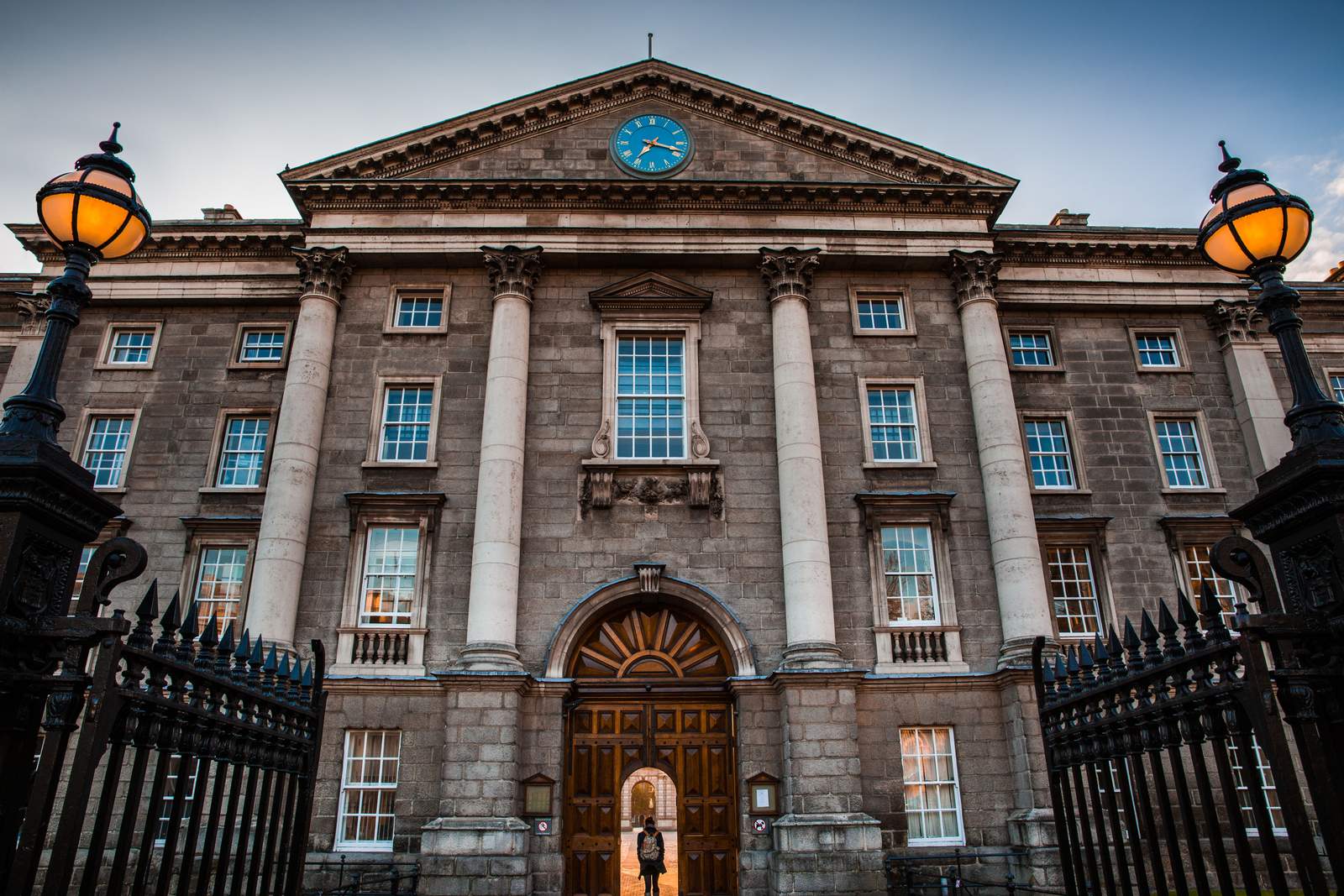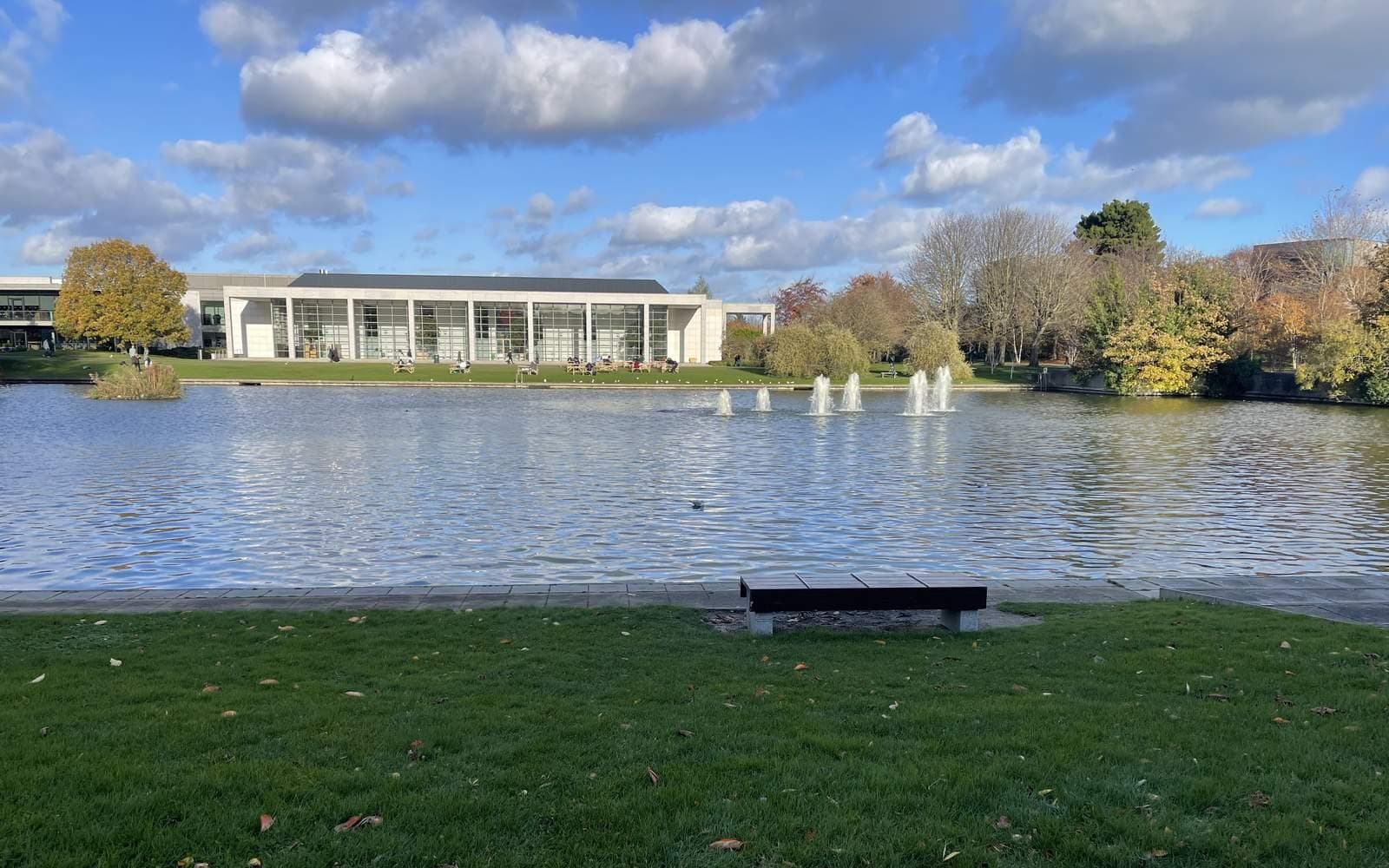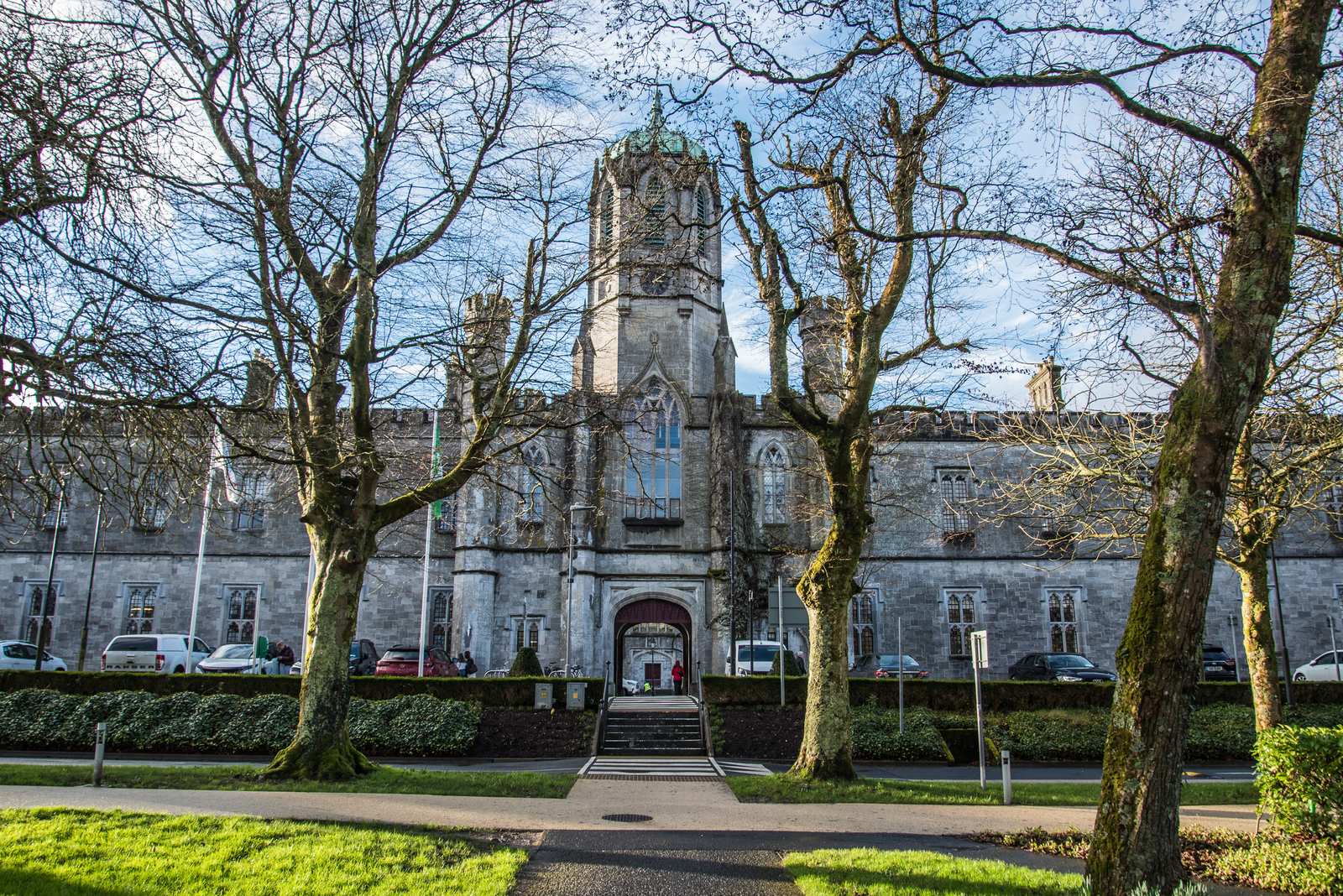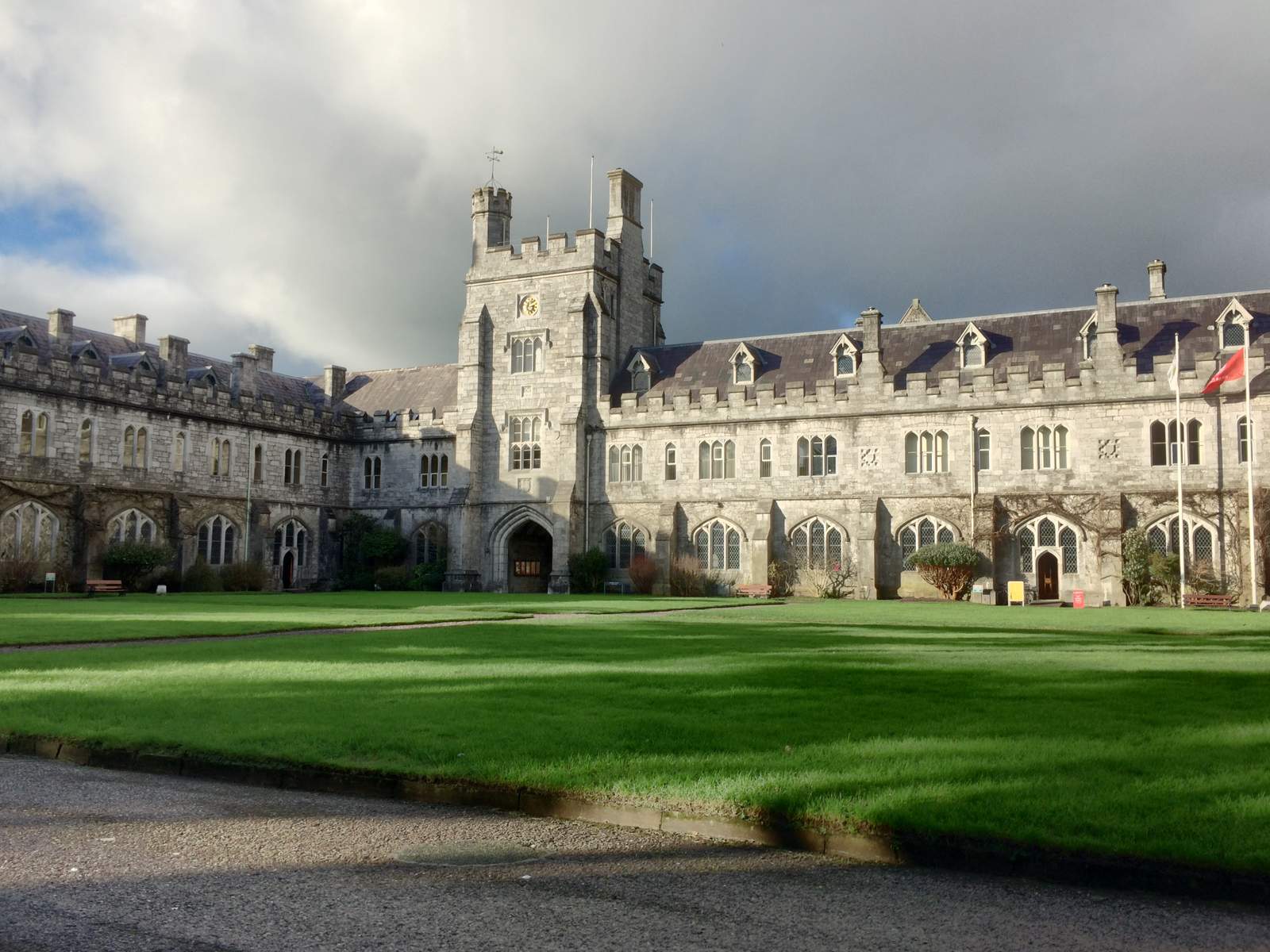
University College Cork has now climbed the QS World University Rankings four years in a row. The QS 2027 edition places it 220th in the world, up 26 places and its highest position since 2013. UCC's President has said the university's strategic goal was to move inside the world's top 250, and it has gone past that target.
Founded in 1845, UCC is in Cork, Ireland's second city, on the south coast. Its reputation rests on research, sustainability and a friendly campus. It was the world's first Green Flag campus, it has been named Sunday Times Irish University of the Year a record five times, and it hosts nearly 4,000 international students from 104 countries. For Indian students who want to study in Ireland outside the capital, UCC is a strong choice. This guide explains how to study at University College Cork as an international student, using UCC's own published benchmarks for Indian applicants.
UCC at a Glance
What Can You Study at UCC?
1. Data Science, Computing and Cybersecurity
The College of Science, Engineering and Food Science (SEFS) offers the MSc Data Science and Analytics (with a dedicated intake for non-EU applicants), the MSc Cybersecurity and the MSc Interactive Media. At undergraduate level there is Computer Science and Data Science and Analytics.
2. Pharmaceutical Sciences and Biotechnology
UCC's MSc Biotechnology and MSc Pharmaceutical Regulatory Sciences suit science graduates aiming at the pharma and life-sciences industry.
3. Business and Law
The College of Business and Law runs one-year master's programmes including MSc Business Analytics, the MSc Finance family (Banking and Risk Management, Corporate Finance, Investment and Asset Management), MSc Marketing, MSc Management & Marketing and MSc Information Systems for Business Performance. Undergraduate options include Commerce, Accounting, Finance and Business Information Systems.
4. Engineering and Medicine
Graduates can take the MEngSc Electrical and Electronic Engineering, while undergraduates enter through Engineering (CK600). UCC's College of Medicine and Health also offers Medicine (CK701) and graduate-entry Medicine to international students.
Most Popular Courses for Indian Students: MSc Data Science and Analytics, MSc Business Analytics, MSc Cybersecurity, MSc Finance, MSc Biotechnology, MSc Pharmaceutical Regulatory Sciences, MEngSc Electrical and Electronic Engineering, and undergraduate Computer Science and Engineering.
Tuition Fees for 2026/27
| Programme (non-EU, full-time) | 2026/27 Fee |
|---|---|
| BA (Hons) Arts | €18,500 |
| BComm Commerce / Accounting / Finance | €21,700 |
| BSc Computer Science / BE Engineering | €27,000 |
| Medicine (CK701) | €52,100 |
| MSc Finance / MSc Marketing | €19,700 |
| MSc Business Analytics | €22,300 |
| MSc Biotechnology | €27,000 + €1,000 bench fee |
| MSc Data Science and Analytics / MSc Cybersecurity | €28,000 |
| MEngSc Electrical and Electronic Engineering | €28,000 |
Fees are per academic year, and a €210 capitation fee is added for taught programmes. UCC's business master's fees are below many Dublin equivalents. UCC has already published its 2027/28 schedule, and some fees rise for that year, so check the right year for your intake. Irish immigration also requires you to show access to €10,000 for living costs for each year of study.
Entry Requirements for Indian Students
Postgraduate: UCC's Published Indian Benchmarks
| UCC Requirement | Indian Bachelor's Equivalent |
|---|---|
| 2H2 (second class honours, grade two) | 55% |
| 2H1 (second class honours, grade one) | 65% |
| 1H (first class honours) | 75% |
- Check your course: Each programme page states whether it needs a 2H2 or a 2H1.
- UCC's own guidance: Indian applicants will normally need first-class/first-division marks from a good institution. At departments' discretion, high second-class marks from top universities (UCC names Mumbai, Delhi, Calcutta and Pune) may be accepted.
- IIT graduates: UCC asks IIT applicants to contact the International Office about specific requirements.
- Three-year degrees: These are assessed on the standard of the awarding institution. Contact the International Office before you apply.
Undergraduate
- Band 1 programmes: minimum average 90%+ in Standard XII.
- Band 2 programmes: minimum average 80–89%.
- Band 3 programmes: minimum average 75–79%.
- Subject minimums: 85% in Maths and 85% in a lab science where the programme requires them. The average is taken on your best five subjects, and Year X results must be included.
English Language Requirements (Postgraduate)
- IELTS Academic: 6.5 overall, 6.0 in each skill. One Skill Retake accepted.
- PTE Academic: 63 overall, no section below 59.
- Duolingo English Test: 120, with at least 110 in each subscore.
- TOEFL iBT (before 21 January 2026): 90 overall (Listening 20, Reading 19, Speaking 21, Writing 20).
Scholarships for Indian Students
- 1. College Merit-Based Scholarships 2026/27 (Taught Master's)
- The College of Business and Law, the College of Science, Engineering and Food Science, and the College of Arts, Celtic Studies and Social Sciences each award international (non-EU) master's students with a first-class honours degree or equivalent a 20% tuition reduction. The award is made automatically at offer stage; you need an accepted offer in the UCC application portal. The Business and Law award cannot be combined with other UCC scholarships.
- 2. International Undergraduate Scholarships 2026/27
- SEFS and CACSSS list automatic international undergraduate scholarships, assessed on your previous academic results. Check the value for your programme on UCC's international scholarships page.
- 3. Government of Ireland International Education Scholarship (GOI-IES)
- A €10,000 stipend plus a full fee waiver for one year. At UCC the scholarship applies to full-time, in-person master's study (NFQ level 9). The 2026 call funded around 60 scholarships nationally and closed on 12 March 2026; it runs as an annual call.
Know your number before you apply. UCC's first-class equivalent for Indian degrees is 75%, and that is the level that unlocks the automatic 20% master's scholarship. If your aggregate is close to 75%, get your university's official percentage or CGPA-conversion certificate ready before you apply, so your award is calculated on your best verified figure. We can help you check this in a free session: talk to us.
Student Visa, Work Rights and Stamp 1G
From offer to Cork
- 1
Accept your offer and pay your fees. Irish immigration rules require you to pay at least €6,000 of your tuition before you apply for your visa (or the full fee, if it is less than €6,000), and UCC may ask for more.
- 2
Show immediate access to at least €10,000 for living costs for your first year, plus access to €10,000 for each later year of your course, on top of your fees. Six months of bank statements are the usual evidence.
- 3
Complete your application on AVATS Online, then give biometrics and lodge your documents at a VFS Global Visa Application Centre. The Embassy of Ireland in New Delhi lists usual study-visa decisions at 4–8 weeks from the day it receives your application, and applications made less than three weeks before your course starts cannot be guaranteed a decision.
- 4
Within 90 days of arriving, register your permission with Immigration Service Delivery (ISD), by appointment; the fee is usually €300. ISD's Registration Office is on Burgh Quay in Dublin, and UCC's international office can tell you how registration works for its students. You receive Stamp 2 and an Irish Residence Permit (IRP) card, which lets you work 20 hours a week during term and 40 hours a week in June to September and from 15 December to 15 January.
- 5
After graduating, apply for Stamp 1G within six months of getting your results: 12 months after a level 8 honours degree; after a level 9 master's, 12 months that can be renewed for 12 more (up to 24) if you show you are actively looking for graduate work.
Applying from Bangalore and Karnataka
- Karnataka II PUC is accepted: UCC's India page lists Standard XII from CBSE, CISCE or a state board, so II PUC results from the Karnataka School Examination and Assessment Board qualify. Remember that UCC also asks for your Year X (SSLC) results and applies an 85% threshold in Maths or a lab science where a course requires them.
- Karnataka degrees: UCC names four Indian universities (Mumbai, Delhi, Calcutta and Pune) where departments may accept high second-class marks. No Karnataka university is named in that note, so graduates of VTU-affiliated colleges, Bangalore University, Manipal and other Karnataka institutions should work from the standard 55/65/75% benchmarks and contact the International Office with any questions.
- UCC in India: UCC runs a representative office in India. Ask UCC's International Office for your regional contact.
- Visa logistics: Ireland's Embassy in New Delhi decides student visas for India, with biometrics and documents lodged through VFS Global. VFS Global runs an Ireland Visa Application Centre in Bengaluru (Monday to Friday, 08:00 to 16:00), so you can lodge your application without leaving Bangalore — confirm current appointment slots on VFS's Ireland–India site when you book.
- Getting there: Expect at least one connection from Kempegowda International Airport, usually via a Gulf or European hub, and often a second leg or ground transfer to Cork.
Falcon Nova's office is in Hebbal, North Bangalore (7th floor, Kirloskar Business Park), and free counselling is available in person or online. Bring your II PUC or degree marksheets and we will match them against UCC's bands and benchmarks together.
Is UCC Right for You?
UCC suits students who want a rising, research-led university, clear and transparent entry standards for Indian applicants, automatic merit scholarships, and a friendly, affordable city outside Dublin. If data science, pharma and biotech, business analytics or engineering is your goal, UCC offers a lot for what you pay.
Turn Your Marks into a UCC Offer
UCC publishes the percentages it wants from Indian applicants (55%, 65% or 75%) and automatically gives 20% off tuition to first-class master's applicants, so you can plan your application with real numbers. Falcon Nova Consultants has helped hundreds of Indian students apply to universities abroad. Visit us in Hebbal or join us online for a free session, and we will shortlist the right UCC programmes for your profile and prepare an application that makes the most of your marks.
Book Your Free Counselling Session