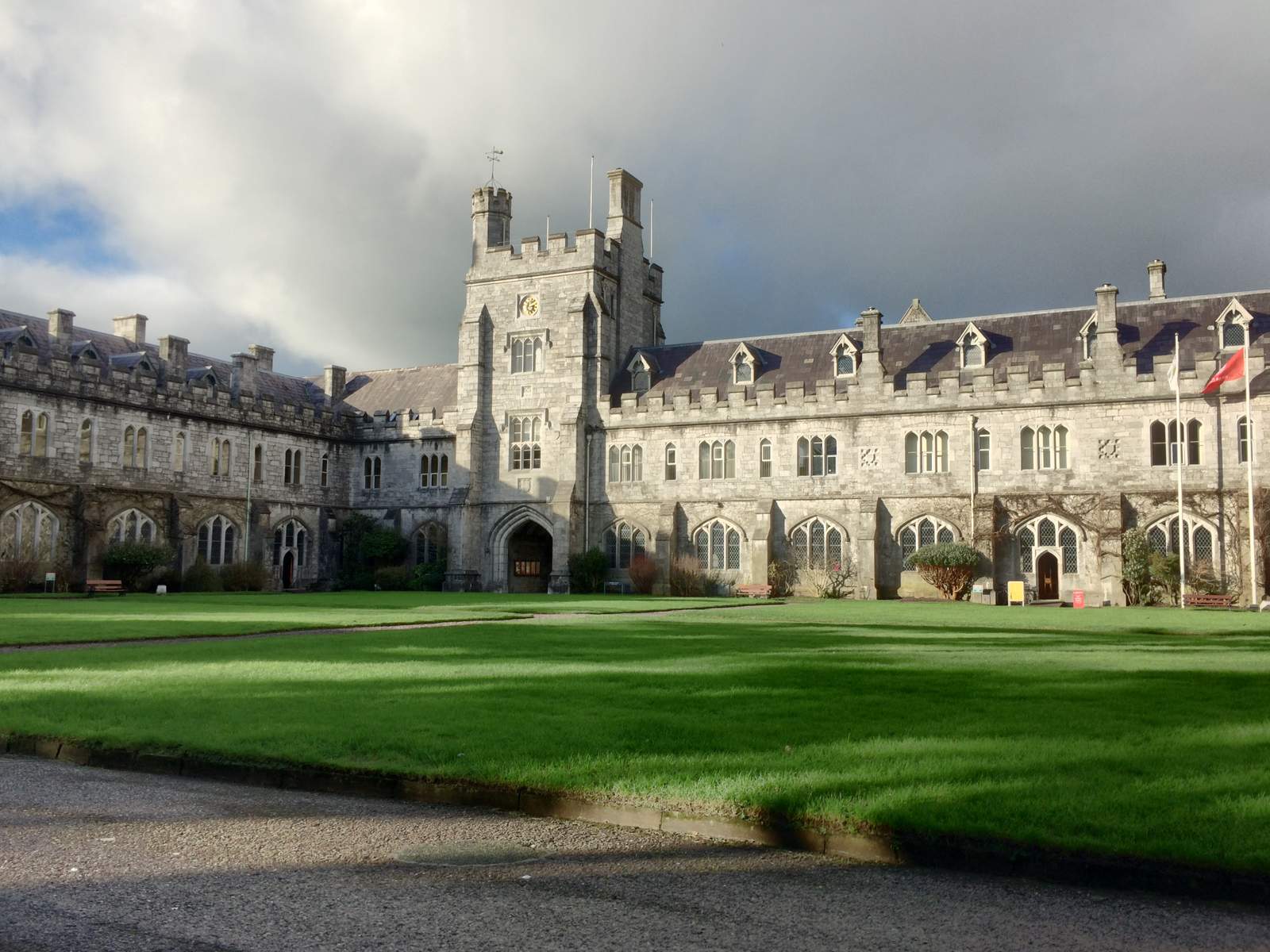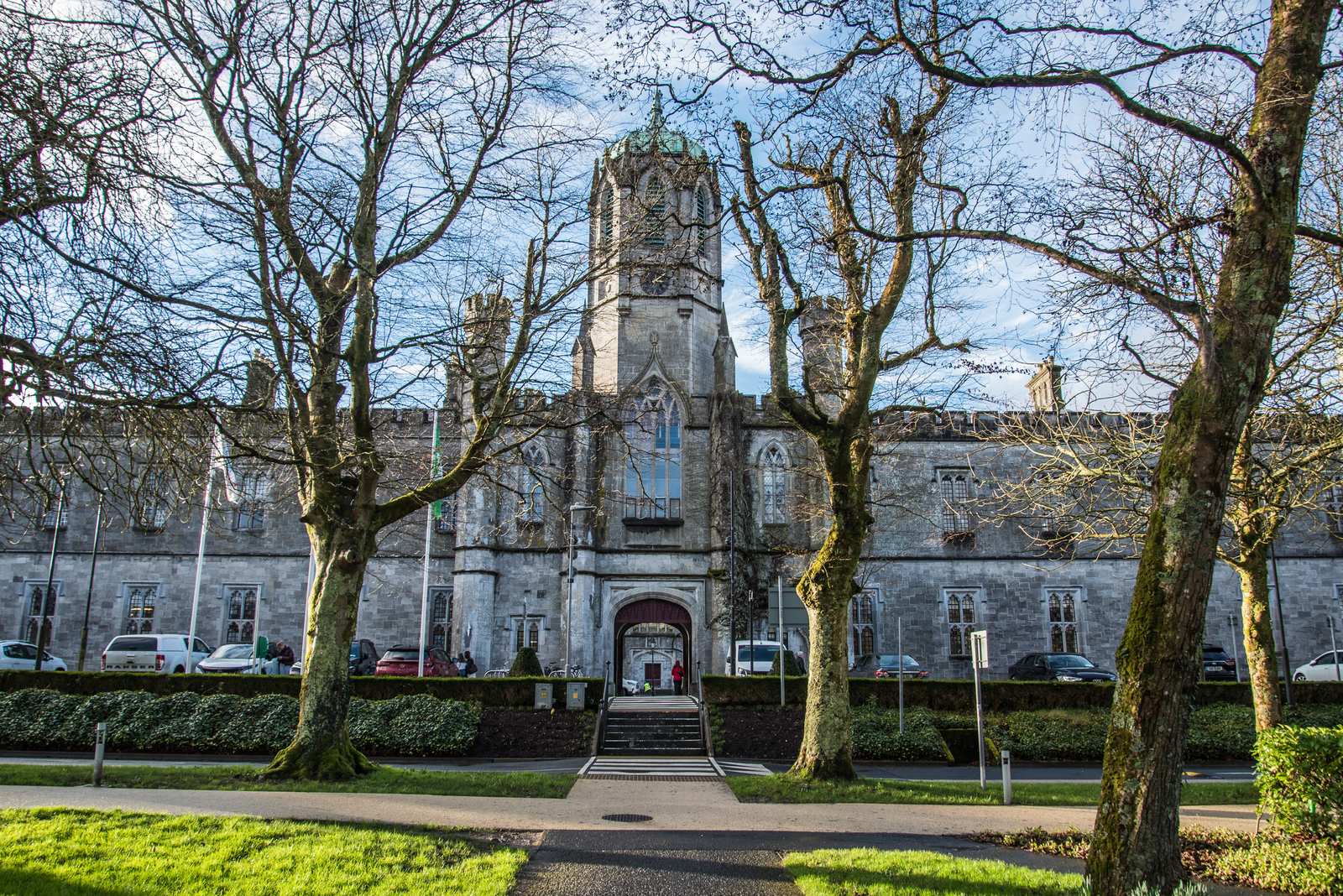
In June 2026, UCD entered the world's top 100 universities for the first time in more than 15 years, placing joint 100th in the QS World University Rankings 2027, up 18 places. UCD itself says the rise was driven largely by research impact, and QS again placed it among the top 50 universities worldwide for sustainability.
Founded in 1854 by John Henry Newman, UCD now calls itself Ireland's most international university and the most popular choice for international students in Ireland. For Indian students planning to study in Ireland, UCD's appeal is easy to see: a large, modern parkland campus, a triple-accredited business school in UCD Smurfit, generous 50–100% tuition scholarships, and up to two years of post-study work rights after a master's. Here is how to study at UCD as an international student in 2026 and beyond.
UCD at a Glance
What Can You Study at UCD?
1. Business: UCD Smurfit and Quinn
Postgraduate business at UCD is taught at the Smurfit Graduate Business School, which is globally ranked and triple-accredited. Popular one-year programmes for Indian graduates include the MSc Business Analytics, MSc Finance, MSc Financial Data Science, MSc Digital Marketing, MSc Management and the full-time MBA. Undergraduates join Commerce or the highly selective Economics & Finance degree.
2. Computer Science and Artificial Intelligence
The School of Computer Science offers the MSc Computer Science (Conversion), a route into software for graduates from other disciplines, alongside the MSc Computer Science (Negotiated Learning) and the MSc Advanced Artificial Intelligence for students with a computing background. Undergraduates enter through Computer Science (DN201).
3. Engineering
The College of Engineering and Architecture runs the Engineering Omnibus entry for undergraduates, plus ME and MEngSc programmes in Electronic & Computer Engineering, Mechanical Engineering and Engineering Management for graduates.
4. Science, Agri-Food and Health
UCD's science and agriculture schools are a real strength, with master's options such as MSc Biotechnology, MSc Biotechnology & Business and MSc Plant Biology & Biotechnology, and AI-focused programmes such as MSc Artificial Intelligence for Medicine & Medical Research.
Most Popular Courses for Indian Students: MSc Business Analytics, MSc Finance, MSc Computer Science (Conversion), MSc Advanced Artificial Intelligence, MSc Digital Marketing, ME Electronic & Computer Engineering, MSc Biotechnology, and undergraduate Computer Science, Engineering and Commerce.
Tuition Fees for 2026/27
| Programme (non-EU, full-time) | 2026/27 Fee |
|---|---|
| Undergraduate Arts / BA Humanities | €22,600 |
| Undergraduate Commerce (DN650) | €23,170 |
| Undergraduate Computer Science / Engineering | €29,500 |
| MSc Management / Marketing | €23,870 |
| MSc Business Analytics (Year 1) | €26,180 |
| MSc Finance / Financial Data Science | €28,980 |
| MSc Computer Science (Conversion) | €29,500 |
| MSc Advanced Artificial Intelligence | €31,780 |
| MBA, full-time (Year 1) | €38,860 |
These figures come from UCD Registry's official 2026/27 non-EU schedule, which UCD says is the only official source for its fees. One detail helps you plan: if you start a multi-year programme on a non-EU fee, UCD keeps your fee at the same level as the year you started, so you can budget the whole degree from day one.
Entry Requirements for Indian Students
Undergraduate (CBSE and CISCE, 2027 entry)
| Programme | Average (best 5) | Maths |
|---|---|---|
| Computer Science (DN201) | 80% | XII 80% or X 85% |
| Engineering Omnibus | 80% | XII 85% |
| Commerce (DN650) | 80% | XII 80% or X 85% |
| Economics & Finance | 90% | XII 90% |
| Liberal Arts & Sciences | 70% | - |
English can be met with 80% in CBSE or ISC English or an approved test. If you fall short of direct entry, UCD's International Foundation Year is available for many programmes.
Postgraduate (Taught Master's)
- Academic: A recognised bachelor's degree at second class honours, grade one (2:1) or equivalent. Some programmes set a higher bar.
- Qualifying routes: If you don't meet the minimum standard, UCD notes that a year-long Higher or Graduate Diploma may be available for some programmes, and an International Pre-Master's Programme is offered.
- English: IELTS Academic 6.5 overall, no band below 6.0 (single sitting, no retake scores); TOEFL iBT 90; Duolingo 120. Results must normally be under two years old.
Scholarships for Indian Students
- 1. UCD Global Excellence Scholarship (50% or 100% of tuition)
- A limited number of half- and full-tuition awards for outstanding non-EU students on eligible undergraduate and graduate taught programmes. You must hold an offer or conditional offer before applying. For 2026/27, South Asia graduate taught applicants closed on 28 February 2026, and undergraduates from other regions on 31 March 2026. Results arrive about seven weeks after each deadline.
- 2. International Student Scholarship (automatic)
- Every non-EU application to an eligible programme is assessed at the point of offer, so there is nothing to apply for. The amount depends on your academic strength relative to the programme's requirements. It excludes Smurfit MSc and MBA programmes, clinical, online and part-time courses, and it cannot be combined with another tuition scholarship.
- 3. Government of Ireland International Education Scholarship (GOI-IES)
- A €10,000 stipend plus a full fee waiver from your university for one year of master's or PhD study. The 2026 call funded around 60 awards nationally and closed on 12 March 2026. It is run as an annual call by the Higher Education Authority, so prepare for the next one early in the year you apply.
Timing is what wins UCD scholarships. You can only apply for a Global Excellence Scholarship once you hold an offer, and UCD warns that it cannot guarantee every programme application will be processed before the scholarship deadline. For South Asian master's applicants, that deadline has been the end of February. So submit your programme application in the autumn before you plan to start, with complete transcripts, SOP and references, to leave yourself time for the scholarship step. If you want help with that timeline, talk to us.
Student Visa, Work Rights and Stamp 1G
Your route from offer to Belfield
- 1
Accept your offer and pay your fees. Irish immigration rules require you to pay at least €6,000 of your tuition before you apply for your visa (or the full fee, if it is less than €6,000), and UCD may ask for more.
- 2
Show immediate access to at least €10,000 for living costs for your first year, plus access to €10,000 for each later year of your course, on top of your fees. Six months of bank statements are the usual evidence.
- 3
Complete your application on AVATS Online, then give biometrics and lodge your documents at a VFS Global Visa Application Centre. The Embassy of Ireland in New Delhi lists usual study-visa decisions at 4–8 weeks from the day it receives your application, and applications made less than three weeks before your course starts cannot be guaranteed a decision.
- 4
Within 90 days of arriving, register your permission with Immigration Service Delivery (ISD), by appointment; the fee is usually €300. ISD's Registration Office is on Burgh Quay in Dublin, and UCD's international office can tell you how registration works for its students. You receive Stamp 2 and an Irish Residence Permit (IRP) card, which lets you work 20 hours a week during term and 40 hours a week in June to September and from 15 December to 15 January.
- 5
After graduating, apply for Stamp 1G within six months of getting your results: 12 months after a level 8 honours degree; after a level 9 master's, 12 months that can be renewed for 12 more (up to 24) if you show you are actively looking for graduate work.
Stamp 1G permission lets you work full-time without an employment permit while you look for a graduate role and move onto a Critical Skills or General Employment Permit. UCD Global publishes its own Stamp 1G guidance for graduates, and Dublin's concentration of European tech and finance headquarters makes that year or two of permission very valuable.
Applying from Bangalore and Karnataka
- Karnataka II PUC: UCD states that its published India percentages cover CBSE and CISCE only. If you are sitting the II PUC with the Karnataka School Examination and Assessment Board, contact UCD Global (india@ucd.ie) for the requirement that applies to you. Ask early, because the Maths thresholds above are what decide most Computer Science and Engineering offers.
- Karnataka degrees: UCD doesn't publish an India institution list. Graduates of VTU-affiliated colleges, Bangalore University, Manipal and other Karnataka universities are assessed against the 2:1-equivalent standard, so include your university's grading scale with your transcript.
- Visa logistics: Student visas for India are decided by the Embassy of Ireland in New Delhi, with applications and biometrics lodged through VFS Global. VFS Global runs an Ireland Visa Application Centre in Bengaluru (Monday to Friday, 08:00 to 16:00), so you can lodge your application without leaving Bangalore — confirm current appointment slots on VFS's Ireland–India site when you book.
- Getting there: Most students fly from Kempegowda International Airport to Dublin with one stop via a Gulf or European hub.
Falcon Nova's office is in Hebbal, North Bangalore (7th floor, Kirloskar Business Park). You can book free counselling in person or online and work through your UCD course choice, your II PUC or degree marks, and the scholarship timeline together.
Is UCD Right for You?
UCD suits students who want a newly top-100 university with a big campus and an international community, strong business, computing and engineering schools, and one of the most generous tuition scholarship schemes in Ireland. If you want to build a career in Dublin's technology or finance sectors, UCD is an excellent place to start.
Put Your Best UCD Application Forward
UCD combines a new QS top-100 ranking, Global Excellence Scholarships worth 50% or 100% of tuition, and up to 24 months of Stamp 1G after a master's. Because the scholarship deadlines come early, the best time to start is now. Falcon Nova Consultants has helped hundreds of Indian students plan their applications abroad. Visit us in Hebbal or meet us online for a free session, and we will help you choose the right UCD programme and apply in good time for the Global Excellence round.
Book Your Free Counselling Session